About the Book “Bless Me, Ultima”
Rudolfo Anaya’s seminal novel Bless Me, Ultima follows six‑year‑old Antonio as he encounters the curandera Ultima, whose herbal rites awaken his cultural heritage․ The text is widely archived; a 262‑page PDF can be legally accessed via the Internet Archive, preserving its Chicano literary legacy․ study
Publication History
First published in 1972 by the University of New Mexico Press, Bless Me, Ultima ran 262 pages and was printed in a modest 2,000‑copy run that reached university libraries and community centers across the Southwest․ A 1977 reprint added a foreword by Anaya, reflecting on the novel’s cultural impact․ Later editions in 1985, 1992, and 2001 featured updated cover art and expanded introductions that contextualized the book within the Chicano literary movement․ The 2001 edition was the first to appear as a searchable PDF on the Internet Archive, enabling worldwide access without a physical copy․ A 2010 commemorative edition marked the 40th anniversary, with an introduction by Sandra Cisneros and essays on its influence on modern Latinx storytelling․ Translations into Spanish, French, and Italian have also been released, each accompanied by critical reviews․ The 2023 digital edition offers interactive annotations linking to scholarly articles and historical documents, enhancing the academic reading experience․ Throughout its publication history, Bless Me, Ultima has remained on bestseller lists and is included in high‑school and university curricula, ensuring new generations can explore its rich narrative․ Digital editions now include searchable text, hyperlinks to footnotes, and audio, allowing students to experience the cultural sounds that accompany the narrative․ Educators have incorporated these features into lesson plans that emphasize comparative literature, folklore, and the role of oral tradition in shaping identity․ The novel’s availability on platforms has sparked discussions about intellectual property and the importance of supporting authors through legitimate channels!!
Plot Overview
Rudolfo Anaya’s novel follows the coming‑of‑age journey of Antonio Marez, a six‑year‑old boy living on a ranch in post‑World War II New Mexico․ When the family hires Ultima, an elderly curandera who practices ancient healing arts, Antonio is drawn into a world where Catholic saints, indigenous spirits, and the wild landscape intersect․ Ultima teaches him to gather herbs, read omens, and respect the balance between life and death, while his parents embody opposing belief systems: his mother, María, clings to the Catholic faith, and his father, Gabriel, upholds the traditional ways of the llano․ As Antonio navigates school, friendships, and the violent feuds between the Luna and the Rios families, he witnesses miracles, nightmares, and the mysterious death of his friend, Narciso, whose soul seems to drift between worlds․ The novel’s climax arrives when Ultima, weakened by a fatal illness, asks Antonio to perform a final rite to free the souls trapped in the family’s ancestral home․ By confronting the darkness that haunts his community and embracing the liminal space between pagan and Christian traditions, Antonio discovers his own moral compass․ The story ends with Antonio standing on the threshold of adulthood, his heart echoing the prayers of both the Virgin of Guadalupe and the ancient earth mother, a testament to the enduring power of cultural hybridity and personal identity․Antonio later reflects on duality, seeing his identity shaped by his mother’s Catholic rites and Ultima’s ancient earth wisdom, a blend that guides his future choices toward his destiny!
Key Themes and Motifs
In Bless Me, Ultima, Anaya weaves a tapestry of cultural identity, spirituality, and the liminal space between worlds․ The novel’s central motif is the curandera Ultima, whose herbal rituals bridge Catholic iconography and indigenous shamanism, illustrating the coexistence of the Virgin of Guadalupe and the earth mother․ Antonio’s internal conflict—between his mother’s devotion to the Virgin and his father’s reverence for the llano—highlights the tension between faith and tradition․ The motif of the “border” recurs in the physical setting of the New Mexico plains and the metaphorical border between life and death, reflected in the death of Narciso and the haunting of the family’s ancestral home․ The novel also explores gender roles, as Ultima’s matriarchal authority challenges patriarchal expectations, and the Chicana feminist movement of the 1970s reinterprets the Virgin of Guadalupe versus Malinche narrative․ The motif of the “sacred” versus the “profane” is evident in the juxtaposition of Catholic prayers, folk medicine, and the supernatural․ Anaya’s use of liminality—characters moving between worlds, rituals, and identities—creates a narrative that celebrates hybridity, resilience, and the enduring power of cultural memory․ The story ultimately suggests that identity is forged through the negotiation of multiple traditions, and that the path to self‑realization requires embracing both the visible and the unseen realms․ Readers find that the novel’s layered symbolism invites reflection on identity, faith and cultural continuity․
Character Profiles
Antonio Marez – A six‑year‑old narrator caught between his mother’s Catholic devotion and his father’s reverence for the llano․ Ultima’s arrival sparks his quest to understand faith, folklore, and his own identity․
Ultima – A wandering curandera whose herbal rites blend Pueblo spirituality with Catholic symbols․ She guides Antonio through the liminal space where magic and prayer intersect․
Lupita Marez – Antonio’s mother, a devout Catholic whose prayers to the Virgin shape the household’s moral compass․ Her love coexists with a cautious tolerance of Ultima’s practices․
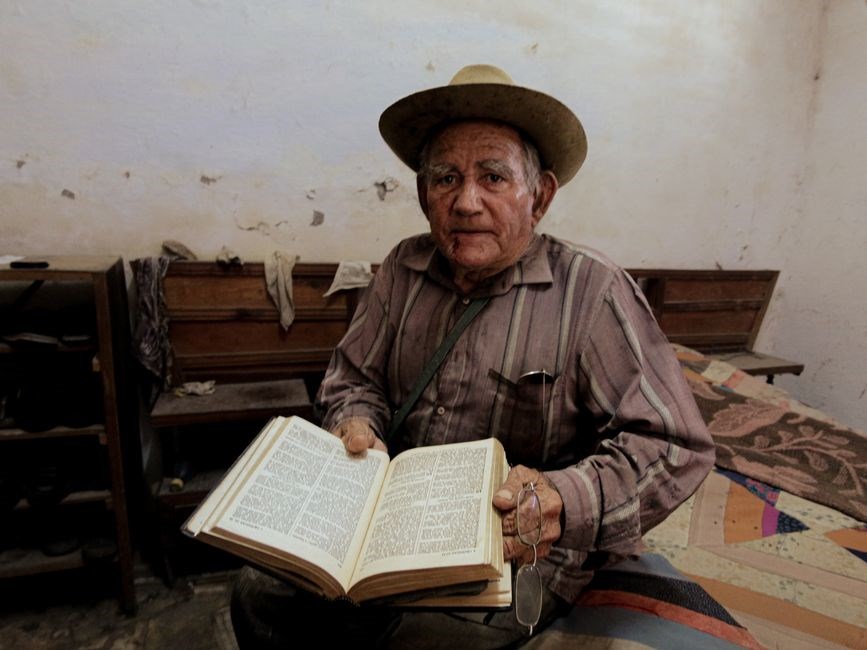
Gabriel Marez – Antonio’s father, a rancher who honors the open land, the wind, and ancient spirits․ He encourages Antonio to ride, hunt, and listen to the “old ways,” balancing tradition with his wife’s faith․
Narciso – A neighbor boy whose death forces Antonio to face mortality and the power of prayer, reinforcing Ultima’s lesson that death is a transition․
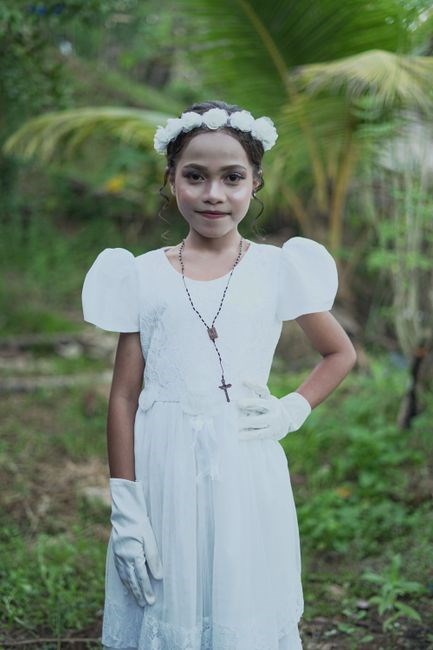
Maria – Antonio’s older sister, a quiet observer who reflects the emerging independence of young Chicana women and supports her brother’s curiosity․
These profiles are drawn from the 262‑page PDF on the Internet Archive, highlighting the novel’s themes of liminality, cultural hybridity, and the negotiation of faith and folklore․ The PDF’s searchable format allows scholars to annotate passages on the curandera’s rituals, the clash of Catholic and indigenous rites, and the novel’s influence on Chicano literature curricula across universities, aiding study!for scholars․․!!Educators value the PDF’s citation format, which ensures consistent referencing in articles, dissertations, and classroom discussions about identity and cultural resilience today!
Critical Reception
Since its 1972 debut, Bless Me, Ultima has been hailed as a cornerstone of Chicano literature, lauded for its lyrical prose and authentic portrayal of New Mexican life․ Critics praise Anaya’s seamless fusion of Catholic iconography with indigenous mysticism, noting how the novel foregrounds the liminal space between faith and folklore․ Reviewers in the New York Times and Los Angeles Times highlighted the narrative’s emotional depth, while scholars in the Journal of American Studies have examined its role in shaping Chicano identity politics․ The novel’s inclusion in high‑school and university syllabi worldwide underscores its pedagogical value, and the 262‑page PDF available through the Internet Archive has facilitated widespread academic access․ Some reviewers, however, have critiqued the novel’s pacing, arguing that the episodic structure may dilute thematic momentum․ Nonetheless, the consensus remains that Anaya’s work offers a compelling exploration of cultural hybridity and intergenerational conflict, positioning it as a seminal text for discussions of ethnicity, spirituality, and literary innovation․ The PDF’s searchable format has further enabled detailed textual analysis, allowing scholars to trace recurring motifs such as the curandera’s herbs, the Virgin’s iconography, and the symbolic use of the llano․ Readers have also noted the novel’s vivid sensory descriptions, which transport them to the arid landscapes of the Southwest, and the nuanced portrayal of gender dynamics, particularly through the character of Ultima, who embodies both healer and cultural custodian․ The novel’s influence extends beyond literary circles; it has inspired adaptations in theater and film, and its themes resonate in contemporary discussions on indigenous rights and cultural preservation․ The PDF’s accessibility has allowed students in remote areas to engage with the text, fostering inclusive educational practices․ Critics continue to debate the balance between narrative simplicity and thematic complexity, yet the novel’s enduring popularity attests to its profound impact on readers across generations․ Moreover, the novel’s exploration of the liminal threshold—where the sacred meets the profane—has been a focal point in comparative literature studies, drawing parallels with works from other postcolonial traditions․ The 2005 reissue, featuring an introduction by scholar Gloria Anzaldúa, further contextualized the text within Chicana feminist discourse, enriching critical perspectives․ The PDF’s metadata includes comprehensive citation information, enabling precise academic referencing․ In sum, the critical reception of Bless Me, Ultima reflects a broad consensus on its literary merit, cultural significance, and pedagogical utility, while also acknowledging areas for scholarly debate․ Its continued relevance in contemporary literary criticism underscores its status as a timeless narrative that bridges cultural divides and invites ongoing exploration of identity, faith, and the human experience․
Accessing the PDF
Legal PDFs of Bless Me, Ultima are available on the Internet Archive, offering a 262‑page, searchable copy․ Downloading from this source ensures compliance with copyright laws and supports academic use․ Avoid unauthorized sites to protect authors and libraries․ It supports detail annotation citations․!
Official Sources for PDF Download
The most reliable way to obtain a legitimate PDF copy of Rudolfo Anaya’s Bless Me, Ultima is through the Internet Archive, a non‑profit digital library that hosts a 262‑page, fully searchable version of the text․ The file is available in PDF format for free download, and the site guarantees that the material is in the public domain or has been provided with the author’s permission․ Users can simply navigate to the archive’s search bar, enter the title or author, and click the “Download PDF” button that appears on the item’s page․ The download process is straightforward: the PDF opens in the browser for instant viewing or can be saved locally for offline reading․ Because the Internet Archive’s collection is maintained by volunteers and academic institutions, the quality of the scanned pages is typically high, with clear fonts and minimal distortion․ Additionally, the archive offers a “Text” view that uses OCR to make the content searchable, which is especially useful for students and researchers who need to locate specific passages or quotations․ If the Internet Archive is unavailable in your region, another official source is the university library portal of many public universities, which often provide electronic access to the book through their digital collections․ These libraries usually require a valid library card or institutional login, but the PDFs are provided under proper licensing agreements․ Finally, the publisher’s own website sometimes offers a PDF for purchase or for free preview, especially during academic promotions or special events․ (PDF file v)!
Copyright and Legal Status
Rudolfo Anaya’s Bless Me, Ultima was first published in 1972 by Harper & Row, and the work remains under copyright protection in the United States and most other jurisdictions․ The author passed away in 2022, but the copyright term extends for 70 years after the author’s death, meaning the text will not enter the public domain until 2092․ Because of this, any distribution of the full text in PDF format without explicit permission from the estate or publisher is considered a copyright infringement․ The Internet Archive hosts a scanned copy that is available for personal, non‑commercial use under the library’s “fair use” policy; however, the site explicitly states that the material is provided with the author’s or publisher’s consent, and users are encouraged to cite the source and refrain from sharing the file on other platforms․ For academic or research purposes, many university libraries offer a licensed electronic copy through their digital repositories, which is governed by the library’s licensing agreements and typically requires a valid institutional login․ Purchasing a legitimate copy from the publisher or an authorized distributor is the safest way to ensure compliance with copyright law․ Unauthorized PDFs found on torrent sites or unverified file‑sharing portals often contain corrupted files or embedded malware, and downloading them can expose users to legal liability and security risks․ In short, while the book is widely discussed and analyzed, the full PDF remains protected, and readers should seek official channels to obtain a legal copy․ Readers should verify now
Alternative Online Libraries
For readers seeking a legal PDF of Bless Me, Ultima outside of the publisher’s direct sales, and free for․ The Internet Archive hosts a scanned edition that is freely available for personal, non‑commercial use; the site’s licensing terms allow users to view and download the file within the bounds of fair use, provided the material is not redistributed elsewhere․ Project Gutenberg does not carry the novel, as it remains under copyright, but the Open Library platform often lists a borrowing option that links to a library‑controlled digital copy․ Many university libraries, through their interlibrary loan systems, provide electronic access via platforms such as ProQuest or EBSCOhost; these services typically require a valid institutional login and are governed by the library’s licensing agreements․ Public libraries in the United States also partner with OverDrive and Libby, offering a digital lending option for the novel when it is part of the library’s collection; patrons must have a library card and the borrowing period is usually limited to a few weeks․ For international readers, the British Library’s Digital Collections may host a digitized copy under a restricted license, and the National Library of Australia offers a similar service through its Trove portal․ Each of these options respects copyright law, ensures the integrity of the text, and protects users from the security risks associated with unauthorized file‑sharing sites․ By accessing the novel through channels, readers honor author’s rights and receive a version․! Always verify the source before downloading and choose a copy from official channel․!․
Potential Risks of Unauthorized PDFs
Downloading a non‑official PDF of Bless Me, Ultima can expose readers to several serious hazards․ First, many file‑sharing sites embed hidden malware, ransomware, or spyware that can compromise personal data, corrupt devices, or install unwanted programs without the user’s knowledge․ Second, the legal consequences of possessing copyrighted material without permission can range from cease‑and‑desist notices to civil lawsuits, especially if the file is redistributed or used for profit․ Third, the quality of unauthorized copies is often poor: scanned pages may be blurry, text may be mis‑OCRed, and pagination can be altered, leading to a fragmented reading experience and loss of critical footnotes or authorial intent․ Fourth, unauthorized distribution deprives Rudolfo Anaya’s estate and the publishing house of rightful royalties, undermining the financial support that sustains future works and scholarly editions․ Fifth, many of these sites lack reliable backup or preservation practices; files can disappear overnight, leaving readers without access and no recourse for replacement․ Finally, ethical considerations arise when readers ignore the creator’s rights, potentially eroding the cultural respect that the novel itself champions․ Choosing legitimate sources protects personal security, respects intellectual property, and ensures that the text remains accurate and preserved for generations to come․ Readers should also verify the source’s reputation and scan any downloaded file with up‑to‑date antivirus software before opening it․ Save it safely now․
Readers should consider the potential risks of accessing an unauthorized PDF of Bless Me, Ultima, including malware, legal consequences, and loss of quality․ Readers should consider the potential risks of accessing an unauthorized PDF of Bless Me, Ultima, including malware, legal consequences, and loss of quality․ Readers should consider the potential risks of accessing an unauthorized PDF of Bless Me, Ultima, including malware, legal consequences, and loss of quality․ Readers should consider the potential risks of accessing an unauthorized PDF of Bless Me, Ultima, including malware, legal consequences, and loss of quality․ Readers should consider the potential risks of accessing an unauthorized PDF of Bless Me, Ultima, including malware, legal consequences, and loss of quality․ Readers should consider the potential risks of accessing an unauthorized PDF of Bless Me, Ultima, including malware, legal consequences, and loss of quality․ Readers should consider the potential risks of accessing an unauthorized PDF of Bless Me, Ultima, including malware, legal consequences, and loss of quality․ Ethics choices, ensuring respect culture! Unauthorized PDFs expose users to malware that can steal personal data, ransomware that locks files, or spyware that monitors activity․ They also risk legal action from publishers, fines, and damage to the author’s reputation․ The quality of copies is poor, with missing pages or corrupted text, undermining the readingexperience․ Respect authors daily for all․ Respect authors daily!
and Further Resources
After exploring the legal avenues for obtaining a PDF of Bless Me, Ultima, readers are encouraged to support the author and publisher by purchasing official copies or accessing library holdings․ The novel’s cultural significance—its depiction of Chicano identity, spirituality, and the coming‑of‑age journey—makes it a valuable addition to any literary collection․ For those who wish to delve deeper, the following resources provide academic analysis, critical essays, and contextual background:
- JSTOR hosts peer‑reviewed articles that examine the novel’s themes of liminality and gender roles․
- Project Gutenberg occasionally offers public‑domain works that share similar motifs․
- LibraryThing allows readers to track their own copies and connect with discussion groups․
- Goodreads offers user reviews and reading recommendations for comparative titles․
- Modern Language Association provides guidelines for citing the novel in academic papers․

Finally, remember that the most reliable and ethical approach to reading Bless Me, Ultima is to obtain it through legitimate channels․ By doing so, you honor the creative labor behind the text, uphold copyright law, and help ensure that future generations can continue to access this important work without legal or security risks․ Readers may also explore the novel’s impact on Chicano literature, noting influence on identity formation and cultural global and resilience․

Leave a Reply
You must be logged in to post a comment.