
Welcome to the Nursing Guide, a concise resource for aspiring nurses. It covers core principles, practical skills, and patient care fundamentals to support your professional growthand confidence!
Purpose and Audience
The Nursing Guide is designed for students, recent graduates, and seasoned nurses, offering a concise roadmap to essential knowledge and evolving best practices. It streamlines learning by aligning content with the typical nursing workflow: assessment, diagnosis, planning, intervention, and evaluation. Each section delivers clear explanations, practical examples, and quick reference tools for fast‑paced decision‑making. Visual aids, case studies, and interactive prompts foster critical thinking and application. The guide serves diverse learners, from exam preparation to skill refresh, and supports continuous professional development. By focusing on clarity, relevance, and real‑world applicability, it builds confidence in delivering safe, patient‑centered care. Its user‑friendly layout, concise summaries, and evidence‑based references make it an indispensable companion for clinical practice, research, and lifelong learning, ensuring nurses stay current and competent; It is essential for every nurse’s toolkit!!

Fundamental Nursing Concepts
Fundamental Nursing Concepts encompass core principles, assessment, diagnosis, planning, intervention, evaluation, and evidence-based practice, forming the backbone of quality care. now for all patients.
Assessment, Diagnosis, and Planning
Assessment is the first step in the nursing process, involving systematic collection of data through observation, interview, and physical examination. Accurate assessment provides the foundation for identifying patient needs and priorities. Diagnosis follows assessment, translating data into clinical judgments that highlight actual or potential health problems. Each diagnosis is paired with measurable outcomes, guiding the development of individualized care plans. Planning requires collaboration with patients, families, and interdisciplinary teams to set realistic, patient-centered goals. Effective plans incorporate evidence-based interventions, resource allocation, and timelines for evaluation. Continuous reassessment ensures that care remains responsive to changing conditions, fostering optimal health outcomes and patient satisfaction. Nurses must integrate cultural sensitivity and ethical considerations into every assessment, ensuring holistic care.!!?

Clinical Skill and Procedures
Mastering vital signs, wound care, and medication administration builds confidence and ensures safe, effective patient care. Continuous practice refines skill
Vital Signs, Wound Care, and Medication Administration
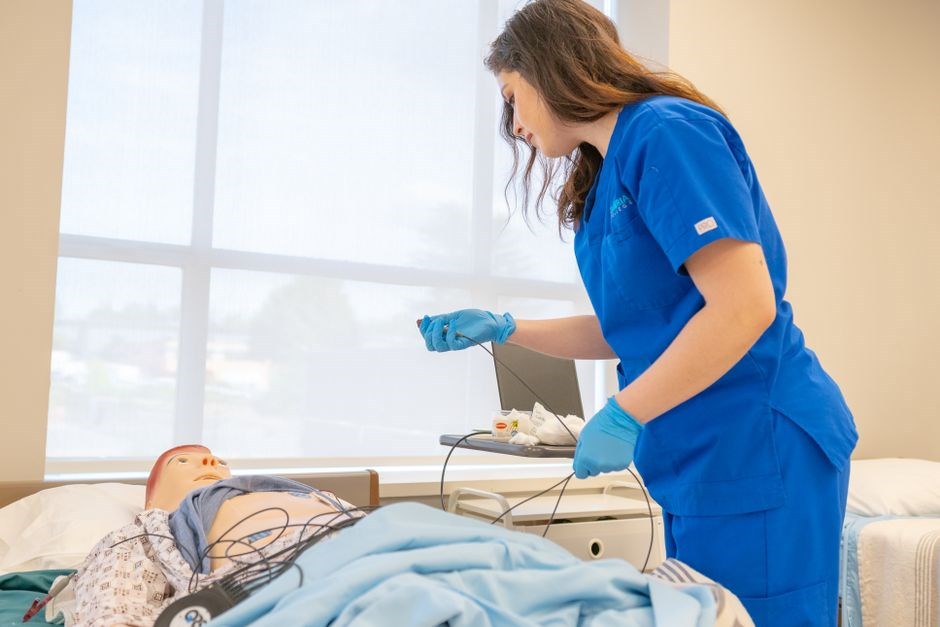
Accurate measurement of temperature, pulse, respiration, and blood pressure is the first step in patient assessment. Nurses use calibrated devices, observe trends, and document values in the electronic record. Wound care requires aseptic technique: cleaning with sterile saline, assessing size, depth, exudate, and signs of infection, then applying appropriate dressings. Regular dressing changes and monitoring for healing or complications are essential. Medication administration follows the “five rights”: right patient, right drug, right dose, right route, and right time. Nurses verify prescriptions, calculate dosages, check for allergies, and monitor for adverse reactions. Proper storage, labeling, and disposal of medications ensure safety and compliance with regulations. Ongoing education and simulation training reinforce these core skills, fostering confidence and patient safety. Regular competency assessments and peer reviews help maintain standards, while reflective practice encourages continuous improvement and growth
Patient-Centered Care
Patient-centered care focuses on individual needs, preferences, and values. Nurses collaborate with patients and families to co-create respectful, shared decision‑making care plansfor all patients.
Communication, Empathy, and Cultural Competence
Effective communication is the cornerstone of nursing practice. It involves active listening, clear verbal and non‑verbal cues, and the ability to tailor language to the patient’s level of understanding. Empathy—expressing genuine concern and validating feelings—builds trust and encourages openness. Cultural competence expands this foundation by recognizing and respecting diverse beliefs, traditions, and health practices. Nurses should assess cultural factors, ask respectful questions, and collaborate with interpreters or cultural liaisons when needed. Integrating these skills enhances patient satisfaction, improves adherence to treatment plans, and reduces disparities. Continuous reflection, education, and feedback loops are essential to refine communication strategies and maintain cultural sensitivity in every interaction.
- Use open‑ended questions to invite patient narratives.
- Employ teach‑back methods to confirm understanding.
- Respect non‑verbal signals and adjust tone accordingly.
- Seek cultural insights through validated assessment tools.
- Document cultural preferences in the care plan.
By weaving empathy, clear dialogue, and cultural awareness into daily care, nurses create a therapeutic environment that honors each patient’s unique story and promotes optimal health outcomes.

Specialty Nursing Areas
Specialty nursing spans ICU, pediatrics, oncology, geriatrics, and more. Each field demands unique skills, knowledge, and compassion tailored to patient needs and complex care settings. —care ccellence
ICU, Pediatrics, Oncology, and Geriatrics
In the ICU, nurses monitor vital signs, manage ventilators, and coordinate multidisciplinary teams to stabilize critically ill patients. Pediatric nursing focuses on age‑appropriate assessment, family education, and developmental care, ensuring safety and comfort for children. Oncology nurses administer chemotherapy, manage side effects, and provide emotional support to patients and families facing cancer. Geriatric nursing addresses complex comorbidities, falls prevention, and promotes functional independence in older adults. Each specialty requires specialized knowledge, advanced assessment skills, and a compassionate approach tailored to the unique needs of the patient population.
ICU nurses often work in performing assessments life‑support protocols. Oncology teams coordinate multidisciplinary treatment plans, monitor for complications, provide palliative care when necessary. Geriatric nurses focus on chronic disease management, medication reconciliation, and fall‑risk assessment to maintain functional status!!

Evidence-Based Practice
Evidence-based practice empowers nurses to integrate research, clinical expertise, and patient values, ensuring interventions are scientifically validated, improving outcomes and care quality.—info!
Research, Guidelines, and Quality Improvement
Research, guidelines, and quality improvement form the backbone of evidence-based nursing. By systematically reviewing current literature, nurses identify best practices and emerging trends. Clinical guidelines, often developed by professional societies, provide structured recommendations that align with the latest evidence, ensuring consistency across settings. Quality improvement initiatives translate these guidelines into actionable plans, employing Plan-Do-Study-Act cycles to test changes on a small scale before broader implementation. Interdisciplinary collaboration enhances the relevance and feasibility of interventions, while patient-centered metrics ensure that improvements directly benefit care recipients. Continuous education keeps practitioners updated on new evidence, fostering a culture of lifelong learning and accountability. Ultimately, integrating research, guidelines, and quality improvement elevates patient safety, optimizes resource use, and supports integrative healthcare system. By integrating systematic reviews, meta-analyses, and randomized controlled trials, nurses translate evidence into practice, ensuring interventions are very safe.

Professional Development and Ethics
Nurses advance through licensure, continuing education while upholding ethical principles such as autonomy, beneficence, justice, and confidentiality. Professional growth fuels compassionate care!
Licensure, Continuing Education, and Ethical Dilemmas
Licensure is for every nurse, ensuring practitioners meet national and state standards through examinations, clinical hours, and ethical training.
Maintaining licensure requires education, which can be pursued accredited courses, workshops, and specialty certifications.
These continuing education credits keep nurses current with practices, deepen expertise in pharmacology, critical care, or gerontology.
Ethical dilemmas arise frequently in clinical settings, from end-of-life decisions to resource allocation
Nurses navigate challenges applying core principles—autonomy, beneficence, nonmaleficence, justice—advocating for patients collaborating with teams.
Reflective practice, ethics committees, and professional guidelines support resolving conflicts and upholding integrity.
Professional development blends formal education, practical experience, and ethical reflection.
By staying with licensure, nurses cultivate resilience and competence, care and growth now!

Technology in Nursing
Technology empowers nurses with electronic records, telehealth, and smart devices, enhancing patient monitoring, data accuracy, and care coordination while fostering efficient workflows. for care.
Electronic Health Records (EHR) streamline documentation, improve data accuracy, and enable real‑time access to patient information across care settings. Nurses use EHR to document assessments, plan care, and track outcomes, reducing transcription errors and enhancing safety. Telehealth expands reach, allowing virtual visits, remote monitoring, and timely interventions, especially for rural or chronically ill patients. Smart devices—wearables, bedside monitors, and AI‑driven analytics—provide continuous physiological data, alerting staff to deviations before complications arise. Integration of these technologies supports evidence‑based decision making, fosters interdisciplinary collaboration, and promotes patient engagement through secure portals. Challenges include interoperability, data security, and the need for ongoing training. By mastering EHR, telehealth, and smart devices, nurses can deliver precise, efficient, and patient‑centered care that adapts to evolving health landscapes. Empowering!!

Emergency Preparedness
Emergency preparedness equips nurses to lead response triage,and resource allocation during crises. Mastering protocols, drills, and communication ensures patient safety and team resilience.
Disaster Response and Critical Care Protocols
In disaster scenarios, nurses must assess, triage, and stabilize patients while coordinating with multidisciplinary teams.Key protocols include:
- Rapid Identification and Isolation of Contagious Cases
- Mass Casualty Triage (START, SALT, or JumpSTART)
- Communication Chains (e.g., Incident Command System)
- Documentation and Data Collection for Incident Reporting
- Psychological First Aid and Staff Debriefing
Critical care protocols emphasize airway management, hemodynamic monitoring, and advanced life support. Nurses must master:
- Airway Securing (intubation, device)
- Continuous Cardiac Monitoring Interpretation
- Medication Administration via IV enteral, parenteral routes
- Infection Control and Sterile Technique in highrisk environments
- Use of point‑of‑care diagnostics and rapid response tools
training, simulation drills, and adherence to evidence‑based guidelines ensure preparedness and resilience in the face of emergencies.
Self-Care for Nurses
Prioritize rest, nutrition, and exercise. Use mindfulness, peer support, and professional counseling. Schedule regular breaks, set boundaries, and pursue hobbies to reduce burnout and rest daily
Stress Management, Burnout Prevention, and Wellness Resources
Managing stress and preventing burnout in nursing requires a holistic, evidence‑based approach. Early recognition of warning signs—persistent fatigue, irritability, or emotional detachment—helps nurses intervene before exhaustion sets in. Structured self‑care routines include brief breathing exercises, a five‑minute walk, or a quick stretch between patient rounds. Sleep hygiene is critical: consistent bedtime, limited screen exposure before sleep, and a dark, quiet environment support restorative rest. Balanced nutrition—omega‑3 fatty acids, antioxidants, and complex carbohydrates—provides sustained energy. Regular physical activity, such as yoga, walking, or light resistance training, releases endorphins and lowers cortisol. Peer support networks, mentorship, and counseling services offer emotional validation and coping strategies. By integrating personal resilience practices with systemic support, nurses can sustain professional efficacy while safeguarding their own health and longevity.
and Resources
This guide equips nurses with essential knowledge, practical skills, and wellness strategies, empowering them to excel in patient care while fostering growth and resilience. for success. now today!
Further Reading, Online Courses, and Professional Organizations
Explore key texts such as Potter & Perry’s Fundamentals of Nursing, Hinkle’s Essentials of Clinical Nursing, and the evidence‑based Nursing Care Plans series. Peer‑reviewed journals like the Journal of Nursing Scholarship, American Journal of Critical Care, and International Journal of Nursing Studies provide research updates. Online courses cover certificate programs, MOOCs, and specialty workshops. Professional bodies—ANA, NCSBN, ICN—offer continuing education, exam prep, and policy guidance. Specialty associations such as AORN, PNA, and ONS deliver focused content, networking, and advocacy. Use these resources to stay current, expand skills, and contribute to nursing’s evolving practice. Continuously updating your knowledge through these resources ensures you remain a competent, compassionate caregiver who can adapt to evolving healthcare landscapes, improving patient outcomes and advancing the profession. Join our community for continuous growth. Grow with us daily. and!


Leave a Reply
You must be logged in to post a comment.