Juki MO-7600 Knife Guide Attachment: A Comprehensive Guide
This guide details the Juki MO-7600 knife guide, covering types, installation, maintenance, troubleshooting, and benefits for precise serged edges and consistent fabric feeding․
The Juki MO-7600 is a high-performance overlock machine renowned for its reliability and precision․ A crucial component enhancing its capabilities is the knife guide attachment, designed to deliver professional-quality serged edges․ This attachment ensures accurate fabric cutting and consistent feeding, vital for garment construction and various sewing projects․
Juki Corporation continually refines its machines, and the MO-7600 benefits from these advancements․ The knife guide, specifically, allows for adjustable cutting widths, catering to diverse fabric types and desired finishes․ Proper installation and maintenance, as detailed in this guide, are essential for optimal performance․
Understanding the Purpose of the Knife Guide Attachment
The Juki MO-7600 knife guide attachment’s primary function is to provide a precise and consistent cutting edge during the serging process․ It ensures clean, even fabric trimming, preventing uneven edges and fraying․ This is achieved through accurate alignment with the upper and lower knives, resulting in professional-looking seams․
Beyond aesthetics, the guide enhances fabric feeding consistency, minimizing puckering or stretching․ Adjusting the knife’s position allows tailoring the cutting width to suit different materials, from delicate silks to heavier denims, maximizing versatility and control over the final product․
Types of Juki MO-7600 Knife Guide Attachments
Juki MO-7600 offers standard and adjustable knife guides, ensuring compatibility across the MO-2500, MO-3600, MO-3700, and MO-3900 series machines․
Standard Knife Guide
The standard knife guide for the Juki MO-7600 is a foundational component, designed for consistent and reliable fabric trimming during serging operations․ It features a fixed position, offering a straightforward solution for general-purpose cutting needs․ This guide ensures accurate edge finishing on a variety of fabrics, providing a clean and professional look․
Its robust construction guarantees durability and long-term performance, minimizing the need for frequent replacements․ Installation is typically simple, making it accessible for both novice and experienced users․ While not adjustable, the standard guide delivers dependable results for everyday serging tasks, contributing to enhanced fabric feeding consistency․
Adjustable Knife Guide Options
For more specialized serging, the Juki MO-7600 offers adjustable knife guide options, enhancing versatility and precision․ These guides allow users to fine-tune the cutting width, accommodating diverse fabric types and desired edge finishes․ The adjustable design enables precise alignment with both the upper and lower knives, ensuring clean and accurate trimming․
This feature is particularly beneficial when working with delicate or stretchy materials, preventing uneven edges or fabric distortion․ Adjustability provides greater control over the finished product, catering to professional-level results and intricate designs․
Compatibility with Juki MO-7600 Series
The Juki MO-7600 knife guide attachment is specifically engineered for seamless integration with the broader Juki MO-7600 series overlock machines․ This includes models like the MO-2500, MO-3600, MO-3700, and MO-3900, ensuring a consistent and reliable performance across the range․
Genuine Juki parts guarantee optimal functionality and prevent compatibility issues․ Utilizing non-approved alternatives may compromise cutting accuracy and potentially damage the machine․ Confirming compatibility with your specific MO-7600 model is crucial for a successful installation and long-term use․
Installation Process: Step-by-Step
Safely unplug the machine, clean the knife area, remove existing parts, insert the new guide, and secure it with screws for proper alignment․
Safety Precautions Before Installation
Prioritize safety by completely disconnecting the Juki MO-7600 from the power source before commencing any installation procedures․ This prevents accidental activation during the process․ Thoroughly clean the knife area, removing any accumulated dust, lint, or fabric scraps․ These debris particles can interfere with proper alignment and operation of the new knife guide․
Ensure a well-lit and organized workspace to minimize the risk of errors or injuries․ Always handle the knife components with care, as they possess sharp edges․ Proper preparation safeguards both the operator and the machine, ensuring a smooth and secure installation․
Removing the Existing Knife
Begin by accessing the knife area on your Juki MO-7600 serger․ Locate the screws securing the existing knife in place․ Utilizing a screwdriver, carefully loosen and remove these screws, storing them in a safe location to prevent loss․ Gently pull the old knife outwards, ensuring it disengages completely from the machine’s mechanism․
Inspect the area where the knife was seated, removing any lingering debris․ Discard the removed knife responsibly, as it possesses a sharp edge․ This step prepares the machine for the seamless installation of the new knife guide attachment․
Inserting the New Knife and Securing It
Carefully insert the new knife guide attachment into the designated slot, ensuring it aligns correctly with the machine’s guide and fits snugly within the housing․ Verify proper alignment before proceeding․ Reinstall the screws previously removed, securing the new knife firmly in place․
Tighten the screws with a screwdriver, applying sufficient force to ensure a stable attachment, but avoid over-tightening which could cause damage․ A secure fit is crucial for accurate cutting and consistent fabric feeding during serging operations․
Aligning the Knife Guide with the Lower Blade
Precise alignment between the newly installed knife guide and the lower blade is paramount for clean, accurate cuts․ Carefully adjust the knife’s position, ensuring a consistent gap and parallel alignment with the lower blade’s edge․
This adjustment allows you to control the cutting width effectively․ Improper alignment can lead to uneven edges or fabric feeding issues․ Double-check the alignment by manually rotating the handwheel and observing the cutting action․
Calibration and Adjustment
Secure attachment and precise alignment with the needle are crucial for accurate fabric cutting․ Adjust the cutting width for optimal performance․
Ensuring Secure Attachment of the Knife Guide
A firmly secured knife guide is paramount for consistent and accurate cutting performance on the Juki MO-7600․ Begin by verifying the knife aligns correctly with the machine’s needle․ Replace and firmly tighten all screws securing the guide; loose screws lead to misalignment and poor cuts․
Regularly inspect these screws during maintenance․ The sturdy construction of the Juki attachment relies on this secure fit, preventing fabric feeding issues and ensuring professional-looking serged edges․
Precise Alignment with the Machine Needle
Achieving precise alignment between the Juki MO-7600 knife guide and the machine needle is critical for clean, accurate cuts․ Misalignment results in uneven fabric trimming and potential damage․ Carefully adjust the knife guide’s position, ensuring it runs parallel to the needle’s path․
Test the alignment by serging a scrap fabric; observe the cut edge for consistency․ Fine-tune the guide’s position until a smooth, even trim is achieved, maximizing cutting accuracy and fabric feeding consistency․
Adjusting Cutting Width
The Juki MO-7600 knife guide allows for adjustable cutting width, providing versatility for different fabric types and desired edge finishes․ By repositioning the knife, you control how much fabric is trimmed during serging․ Loosen the securing screws slightly to enable knife movement․
Experiment with various settings on scrap fabric to determine the optimal width for your project․ Retighten the screws firmly after each adjustment to maintain stability and precision during operation․
Maintenance and Care
Regular cleaning, inspection for wear, and proper lubrication of the knife guide area are essential for optimal performance and longevity of the Juki MO-7600․
Cleaning the Knife Guide Area
Maintaining a clean knife guide area is paramount for smooth operation․ Before cleaning, always disconnect the Juki MO-7600 from its power source for safety․ Use a brush to remove lint, thread scraps, and fabric debris accumulated around the knife and guide․ A small brush, like the one included with Juki machines, is ideal for reaching tight spaces․
For stubborn residue, a slightly dampened cloth can be used, ensuring it’s not overly wet to avoid damaging internal components; Avoid using harsh chemicals or solvents, as these can corrode or degrade the machine parts․ Regular cleaning prevents build-up that can hinder accurate cutting and fabric feeding․
Regular Inspection for Wear and Tear
Consistent performance relies on routinely inspecting the Juki MO-7600 knife guide for signs of wear․ Examine the knife edge for nicks, dullness, or damage that could affect cutting precision․ Check the guide itself for cracks, bends, or looseness․ Pay close attention to the upper cutter and knife guide shaft, ensuring they move freely and are securely fastened․
Early detection of wear prevents further damage and maintains optimal cutting quality․ Replace worn components promptly to avoid fabric feeding issues or uneven serged edges․ A proactive approach extends the lifespan of your machine and ensures professional results․
Lubrication Best Practices
Proper lubrication is vital for the smooth operation of the Juki MO-7600 knife guide․ Use a high-quality oiler to apply a small amount of oil to the knife guide shaft and any moving parts within the knife area․ Avoid over-lubrication, as excess oil can attract lint and debris, hindering performance․
Regularly oiling reduces friction, preventing wear and tear and ensuring precise cutting action․ Follow Juki’s recommendations for oil type and frequency․ Consistent lubrication contributes to the longevity of the knife guide and maintains optimal serging quality․
Troubleshooting Common Issues
Addressing problems like improper cutting, misalignment, or fabric feeding issues ensures optimal performance of your Juki MO-7600 knife guide attachment․
Knife Guide Not Cutting Properly
If the knife guide isn’t cutting cleanly, first ensure it’s securely attached and properly aligned with the lower blade․ Debris buildup around the knife area can significantly hinder performance; thorough cleaning is essential․
Inspect the knife for dullness or damage, requiring replacement․ Misalignment with the machine needle is a common culprit, demanding careful recalibration․ Verify the cutting width adjustment is appropriate for the fabric type․
Finally, confirm the correct knife guide is installed for the specific material being serged, as different guides suit varying fabric weights and textures․
Misalignment Problems
Misalignment between the knife guide and the machine needle is a frequent issue, leading to uneven cuts or skipped stitches․ Begin by loosening the screws securing the knife guide, allowing for repositioning․ Carefully align the guide with the lower blade, ensuring a parallel and consistent gap․
Re-tighten the screws firmly, verifying the alignment hasn’t shifted during the process․
Double-check that the correct knife guide is installed for the fabric type, as improper selection exacerbates misalignment․ Precise alignment is crucial for professional-looking serged edges and optimal performance․
Dealing with Fabric Feeding Issues
If fabric isn’t feeding smoothly, inspect the knife guide area for debris or lint buildup, as this obstructs proper movement․ Ensure the knife guide is securely attached and aligned, preventing fabric snagging․ Check the throat plate for damage or obstructions that could hinder fabric flow․
Adjust the presser foot pressure to optimize fabric grip․
Verify the needle set is appropriate for the fabric weight, as incorrect needles cause feeding problems․ Consistent fabric feeding relies on a clean, aligned, and properly adjusted knife guide system․
Benefits of Using a Knife Guide Attachment
A Juki MO-7600 knife guide enhances cutting accuracy, ensures consistent fabric feeding, and delivers professional-looking serged edges for superior project finishes․
Improved Cutting Accuracy
The Juki MO-7600 knife guide attachment significantly boosts cutting precision․ Its adjustable design allows for precise alignment with both the upper and lower knives, ensuring clean and accurate fabric trimming every time․
This meticulous alignment minimizes fabric waste and prevents uneven edges, crucial for professional-quality results․ The sturdy construction of the guide maintains consistent pressure, contributing to a smooth and controlled cutting action․
Properly installed and calibrated, the knife guide delivers consistently sharp cuts, even on challenging fabrics, elevating the overall finish of your sewing projects․
Enhanced Fabric Feeding Consistency
The Juki MO-7600 knife guide attachment plays a vital role in maintaining consistent fabric feed․ Its secure attachment and precise alignment work in harmony with the machine’s feeding mechanism, preventing uneven stretching or bunching of materials․
This consistent feed is particularly important when working with delicate or slippery fabrics, ensuring they move smoothly under the knife for a clean, even edge․
A stable fabric feed minimizes skipped stitches and puckering, resulting in a more professional and polished serged finish․
Professional-Looking Serged Edges
Utilizing the Juki MO-7600 knife guide attachment significantly elevates the quality of serged edges, delivering results comparable to professional tailoring․ The precise cutting action, enabled by proper alignment and calibration, creates clean, uniform finishes on a variety of fabrics․
This eliminates ragged edges and loose threads, contributing to a more durable and aesthetically pleasing seam․
Consistent cutting width ensures a polished look, ideal for garments and projects demanding a high level of craftsmanship․
Accessories and Tools Required
Essential tools include screwdrivers (flat blade), tweezers, an oiler, a brush, a needle threader, and potentially a chip box for maintenance tasks․
Screwdrivers
Screwdrivers are paramount for both the removal and installation of the Juki MO-7600 knife guide attachment․ Specifically, a flat blade screwdriver is frequently mentioned as essential for loosening and tightening the screws that secure the knife and guide components․
Ensure the screwdriver tip precisely matches the screw head to prevent stripping․ Different screw sizes may necessitate multiple screwdrivers․ Careful application of force is crucial to avoid damaging the machine or the delicate parts involved in the knife guide system․
Tweezers
While not explicitly detailed as a primary tool, tweezers can prove invaluable when working with the Juki MO-7600 knife guide attachment․ Their precision allows for the careful removal of small debris or lint accumulated around the knife and guide area, ensuring smooth operation․
Tweezers are also helpful for manipulating small parts during installation or adjustment, particularly when accessing tight spaces․ Maintaining a clean work area with tweezers contributes to accurate alignment and prevents fabric feeding issues․
Oiler
Proper lubrication is crucial for the longevity and performance of the Juki MO-7600 knife guide attachment․ An oiler, specifically designed for sewing machines, ensures smooth movement of the knife and guide components, reducing friction and preventing wear․
Regularly oiling the designated points, as outlined in the machine’s manual, maintains optimal cutting accuracy and consistent fabric feeding․ Using the correct oil prevents corrosion and ensures the knife guide operates efficiently, contributing to professional-looking serged edges․
Juki MO-7600 Parts Related to Knife Guide
Essential components include the upper cutter, upper knife guide shaft, and needle set, all working in harmony for precise cutting and fabric manipulation․
Upper Cutter
The upper cutter, a critical part of the Juki MO-7600 system, works in tandem with the lower blade and knife guide to achieve clean, precise fabric trimming․ Its sharpness and alignment are paramount for professional serged edges․ Regular inspection for wear and tear is essential, as a dull or damaged upper cutter can lead to ragged edges or fabric feeding issues․
Replacement cutters are readily available from authorized Juki dealers and online retailers․ Ensuring the upper cutter is securely fastened and properly adjusted contributes significantly to the overall performance and longevity of the machine․
Upper Knife Guide Shaft
The upper knife guide shaft plays a vital role in maintaining the correct alignment and smooth operation of the knife guide attachment on the Juki MO-7600․ This shaft supports and guides the upper knife, ensuring consistent cutting pressure and accuracy․ Inspecting the shaft for any signs of bending, damage, or wear is crucial during maintenance․
A properly functioning shaft contributes to precise fabric trimming and prevents issues like uneven edges or skipped stitches․ Replacement shafts are available to restore optimal performance․
Needle Set
Utilizing the correct needle set is paramount when working with the Juki MO-7600 and its knife guide attachment․ The needles must be compatible with the fabric type and weight to ensure smooth feeding and prevent damage․ Regularly inspect needles for bluntness, bending, or breakage, as these issues directly impact cutting quality․
A fresh needle set contributes to clean serged edges and avoids skipped stitches or fabric puckering․ Juki recommends specific needle types for optimal performance with the MO-7600․
Juki Corporation Specifications and Updates
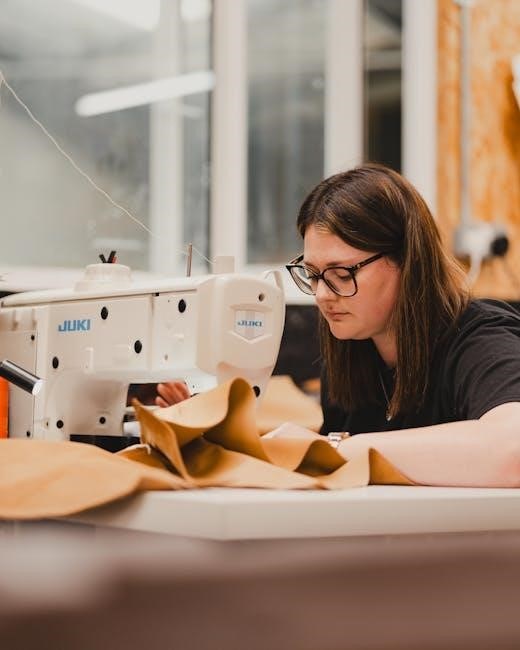
JUKI CORPORATION reserves the right to modify technical specifications of the MO-7600 and its knife guide attachment without prior notification to consumers․
Technical Specifications
The Juki MO-7600 knife guide attachment is engineered for precision cutting, featuring adjustable alignment with upper and lower knives․ Constructed with durable materials, it ensures consistent fabric feeding․ Cutting width is adjustable via knife positioning․ Compatible with Juki MO-2500, MO-3600, MO-3700, and MO-3900 series․
Essential components include the upper cutter, upper knife guide shaft, and a complete needle set․ Regular maintenance, utilizing tools like tweezers, screwdrivers, and oiler, is crucial for optimal performance․
JUKI CORPORATION reserves the exclusive right to modify technical specifications of the MO-7600 knife guide attachment without prior notification․ This includes alterations to components like the upper cutter, knife guide shaft, and needle set․
Updates may address performance enhancements, compatibility adjustments, or material improvements․ Users should consult the latest official Juki documentation for the most current information․
Juki is not liable for issues arising from using outdated specifications․
Where to Purchase Replacement Parts
Genuine Juki MO-7600 parts are available through authorized Juki dealers, reputable online retailers, and specialized sellers like CKPSMS for your convenience․
Authorized Juki Dealers
Locating an authorized Juki dealer provides access to genuine MO-7600 knife guide attachments and expert assistance․ These dealers offer guaranteed compatibility and quality, ensuring optimal performance for your serger․ They can also provide professional installation services and advice on selecting the correct guide for your specific needs․
Authorized dealers frequently stock a wide range of Juki parts, including upper cutters, knife guide shafts, and needle sets, alongside the attachments․ Their knowledgeable staff can assist with troubleshooting and offer valuable insights into maintaining your machine․ To find a dealer near you, utilize the Juki Corporation’s official dealer locator on their website․
Online Retailers
Numerous online retailers specialize in sewing machine parts, offering Juki MO-7600 knife guide attachments․ Platforms like eBay and specialized sewing parts websites often carry both new and used options․ However, verifying seller reputation and part authenticity is crucial when purchasing online․
Carefully review product descriptions to confirm compatibility with your specific MO-7600 model․ Consider shipping costs and return policies before finalizing your purchase․ CKPSMS is one example of an online seller offering Juki parts, but thorough research is always recommended to ensure a reliable transaction and genuine product․
CKPSMS and Similar Sellers
CKPSMS, established in February 2014, is an online seller specializing in sewing machine parts, including components for the Juki MO-7600․ They typically respond to inquiries within 24 hours and offer various Juki overlock parts like upper knife guide shafts and needle sets․
Similar sellers exist, providing access to potentially lower-cost alternatives․ However, due diligence is vital; check seller ratings, read reviews, and confirm part compatibility before purchasing․ Prioritize sellers with established reputations and clear return policies for a secure transaction and genuine Juki parts․



Leave a Reply
You must be logged in to post a comment.