
Welcome, daring dungeon masters! This guide unveils a treasure trove of traps, puzzles, and dungeons, crafted to elevate your campaigns. Explore inventive mechanics, immersive settings, and practical tips that empower you to design unforgettable encounters for any adventuring party. All the best! :)!
1.1 Purpose and Scope of the Guide
In this concise yet comprehensive introduction, we outline the primary objectives of the Game Masters Book of Traps, Puzzles, and Dungeons PDF and clarify the boundaries of its application. The guide is designed to serve as a practical reference for dungeon masters across all tabletop role‑playing systems, offering a curated selection of mechanical traps, logical puzzles, and atmospheric dungeon layouts that can be seamlessly integrated into any campaign narrative.
Key purposes include:
- Providing a structured framework for creating balanced, thematic traps that challenge players without undermining narrative flow.
- Offering a taxonomy of puzzle types—ranging from classic riddles to intricate logic grids—complete with design principles and solution outlines.
- Delivering modular dungeon modules that emphasize spatial design, encounter pacing, and environmental storytelling.
- Encouraging creative adaptation by detailing how core mechanics can be tweaked to fit diverse settings, from high‑fantasy castles to cyberpunk megastructures.
By concentrating on universally applicable design concepts, the guide remains flexible for use with any edition of your favorite role‑playing game.
Ultimately, this document aims to inspire and equip dungeon masters to craft memorable, engaging, and challenging encounters that elevate the storytelling experience for both players and storytellers alike. Adaptable for any campaign style, flexible.!

Overview of the Game Masters Book of Traps, Puzzles and Dungeons PDF
The PDF offers modular trap designs, puzzle templates, and dungeon layouts that blend challenge with narrative flow. Each section includes clear instructions, diagrams, and optional variant rules for flexible adaptation across settings. Designed for novice and veteran masters, it encourages fun play !
2.1 Key Themes and Target Audience
Designed for both seasoned and emerging dungeon masters, the book delves into core motifs that define memorable encounters. It emphasizes the balance between danger and narrative, encouraging designers to weave traps that serve plot while challenging players. The themes span classic medieval dungeons, high‑fantasy citadels, sci‑fi vaults, and mythic ruins, offering a palette that adapts to any setting. Each section provides clear, modular instructions that can be scaled for party size or difficulty level. The target audience includes solo GMs preparing one‑shot adventures, groups seeking to refresh long‑running campaigns, and educators using role‑play to teach problem‑solving skills. By focusing on flexibility, the guide supports creative adaptation, allowing masters to tweak mechanics, alter environmental cues, or integrate lore seamlessly. The book also highlights the importance of pacing, atmosphere, and player agency, ensuring that traps feel earned rather than arbitrary. It offers practical tips for integrating puzzles that reinforce story beats, as well as strategies for designing dungeons that guide exploration without stifling curiosity. Ultimately, the resource serves as a toolkit that empowers game masters to craft encounters that are both mechanically sound and narratively compelling, fostering memorable moments that resonate long after the dice have stopped rolling. From silent snares to mind‑bending riddles, the compendium offers fresh ideas that keep adventurers alert.

Accessing and Owning the PDF
To access the PDF, visit official vendor sites or authorized retailers. Purchase a licensed copy, ensuring you receive a digital download link. Store the file securely, back it up, and keep the license key handy for future updates. Respect copyright and share responsibly. and enjoy crafting epic adventures.!!!

3.1 Official Vendors and Licensing Requirements
When acquiring the Game Masters Book of Traps, Puzzles and Dungeons PDF, it is essential to purchase from reputable distributors. The primary official vendors include the publisher’s own online storefront, major digital marketplaces such as DriveThruRPG, and licensed retail partners that provide secure download links and confirmation of purchase. Each vendor requires a valid account and may ask for a proof of purchase before granting access to the file. Once the transaction is complete, you will receive a unique download code or direct link, which should be stored in a safe location. The licensing agreement typically grants a personal, non‑commercial use license, allowing you to use the content in your own campaigns and share it with players, but it prohibits redistribution, resale, or modification for commercial purposes. To maintain compliance, keep a record of the license terms, and if you plan to adapt or publish your own derivative works, consult the publisher for a separate license or permission. By following these steps, you can confidently own a legal copy of the PDF and enjoy the full range of traps, puzzles, and dungeon designs it offers
The PDF includes a licensing FAQ that clarifies usage rights and renewal policies. If you encounter technical issues, the publisher’s help desk is available 24/7 via email or live chat. Staying informed about updates and community discussions maximizes the value of your investment and keeps campaigns fresh for years.

Structure of the PDF Contents
The PDF is organized into distinct sections: traps, puzzles, dungeon layouts, and application advice. Each part contains tables, diagrams, and step‑by‑step instructions to streamline your design process. The layout is modular, allowing adaptation to campaign settings
4.1 Traps Compendium
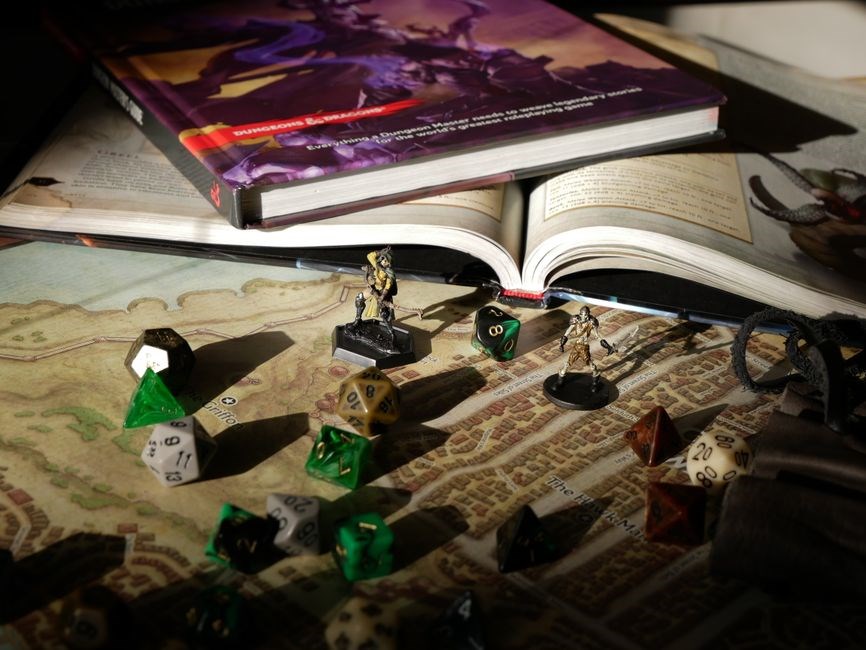
Within the PDF, the Traps Compendium serves as a central hub for every trap enthusiast. It begins with a concise overview of trap taxonomy, breaking down categories such as mechanical, magical, environmental, and psychological. Each category is followed by a detailed description of trigger mechanisms, activation methods, and failure checks. The compendium includes over 200 distinct trap designs, ranging from simple pitfall traps that require a Dexterity saving throw to elaborate rune‑etched pressure plates that unleash a burst of fire on failure. For each trap, designers are given a step‑by‑step construction guide, cost estimates, and suggested difficulty levels that align with party size and experience. Visual aids—illustrated schematics, 3‑D models, and animation snippets—help GMs visualize placement and effect. The compendium also offers a modular “trap‑builder” toolkit, allowing you to mix and match components to create custom traps on the fly. Additionally, a troubleshooting section addresses common pitfalls such as over‑complexity, balance issues, and player frustration. Finally, the compendium includes a “trap‑integration” checklist that ensures each trap fits seamlessly into the narrative, maintaining immersion while providing a satisfying challenge.
Moreover, the compendium provides a quick‑reference cheat sheet that summarizes each trap’s trigger, damage and countermeasure, allowing GMs to pull up essential details in the heat of session play without breaking immersion.
Puzzle Design Techniques
The PDF introduces a structured puzzle design framework, covering core concepts like thematic relevance, difficulty scaling, and player agency; It catalogs puzzle types—logic, spatial, auditory, magical—providing templates, sample solutions, and failure outcomes.All.!!
5.1 Classic Puzzle Types Covered
Within the PDF, the classic puzzle types are meticulously categorized, each accompanied by design guidelines, illustrative examples, and suggested narrative hooks. The first category, Logic Puzzles, emphasizes deductive reasoning, often requiring players to interpret clues, align symbols, or deduce hidden patterns. The second, Spatial Puzzles, challenges spatial awareness and manipulation of physical objects, such as rotating tiles, aligning mirrors, or arranging statues to unlock a door. Third, Auditory Puzzles rely on sound cues, rhythmic patterns, or deciphering spoken riddles to progress. Fourth, Magical Puzzles incorporate arcane mechanics, where spells, runes, or enchanted items must be used in precise sequences to reveal solutions. Fifth, Temporal Puzzles involve time manipulation, requiring players to act within specific windows or alter timelines to solve. Each type includes sample layouts, difficulty modifiers, and potential failure consequences, ensuring that dungeon masters can tailor puzzles to fit any campaign tone or player skill level. The PDF also offers a comparative analysis of puzzle efficacy, balancing complexity with engagement, and provides a checklist for integrating puzzles seamlessly into dungeon encounters. By studying these classic types, master designers gain a versatile toolkit to craft memorable, challenging, and thematically resonant puzzles that enrich the overall adventure experience. This guide offers a wealth of templates, mechanics, and twists that keep players engaged and challenged now
Dungeon Design Strategies
Crafting dungeons demands a blend of narrative flow, strategic layout, and atmospheric detail. Begin with a clear thematic core, then layer rooms that challenge players physically and mentally. Use varied trap placements, puzzle integration, and encounters to keep tension high while rewarding exploration .
6.1 Layout, Flow, and Atmosphere Advice
Designing a dungeon that feels alive requires careful orchestration of space, pacing, and sensory cues. Start by mapping a central hub that anchors the adventure; from there, radiate corridors that lead to distinct zones, each with its own visual motif and threat level. Use narrow, twisting passages to create tension, and wide, open chambers to reward exploration. Layer traps and puzzles in a way that feels natural—place a pressure plate that triggers a falling stalactite in a corridor that has already hinted at hidden hazards. Give players clear, but subtle, environmental clues: a flickering torch, a strange echo, or a patch of moss that suggests a recent disturbance. When planning flow, consider the player’s perspective; ensure that each decision point offers a meaningful choice, whether it’s to confront a guardian, solve a riddle, or retreat. Use lighting and sound to reinforce mood—dim, flickering lanterns for dread, or bright, resonant echoes for awe. Finally, leave room for improvisation; the best dungeons adapt to player actions, so design modular sections that can be swapped or expanded on the fly. By balancing structure with flexibility, you create a dungeon that feels both challenging and immersive, keeping players engaged from the first step to the final treasure. In addition, consider the psychological impact of layout: a maze-like network can induce a sense of disorientation, while a linear progression builds anticipation. Incorporate environmental storytelling—scattered notes, broken equipment, or faded murals that hint at the dungeon’s history. Use modular tiles or modular room templates so you can rearrange sections during play, keeping the experience fresh. Remember that pacing isn’t just about distance; intersperse combat with riddles, social encounters, or environmental hazards to give players a breather and maintain engagement. Finally, test your layout with a small group to identify choke points or confusing paths, then refine accordingly. A well-crafted dungeon layout turns a simple adventure into a memorable journey that players will talk about long after the last dice roll. Moreover, leverage lighting cues to guide players subtly; a dim corridor may hint at danger, while a brightly lit chamber invites curiosity. Integrate soundscapes—whispering wind, distant drums—to reinforce the mood without overwhelming dialogue. Finally, consider the emotional stakes: a hidden treasure might be a lure, but a forgotten relic could hold a deeper narrative thread. By weaving these layers together, you create a dungeon that feels like a living, breathing entity, inviting players to explore, experiment, and ultimately claim victory. Remember, the best dungeons are flexible, rewarding, unforgettable—each corridor a story, each trap a lesson.
Using the Book in Your Campaign
Leverage the book’s modular traps and puzzles to tailor encounters that fit your party’s style. Mix classic mechanisms with narrative hooks, adjust difficulty on the fly, and use the provided templates to create unique layouts that keep players guessing and engaged. Keep flow dynamic, reward curiosity

7.1 Adapting Traps to Different Settings
Adapting traps to fit the flavor of any world is a core skill for a master of dungeons.Adapting traps to fit the flavor of any world is a core skill for a master of dungeons.Adapting traps to fit the flavor of any world is a core skill for a master of dungeons.Adapting traps to fit the flavor of any world is a core skill for a master of dungeons.Adapting traps to fit the flavor of any world is a core skill for a master of dungeons.Adapting traps to fit the flavor of any world is a core skill for a master of dungeons.Adapting traps to fit the flavor of any world is a core skill for a master of dungeons.Adapting traps to fit the flavor of any world is a core skill for a master of dungeons.Adapting traps to fit the flavor of any world is a core skill for a master of dungeons.Adapting traps to fit the flavor of any world is a core skill for a master of dungeons.Adapting traps to fit the flavor of any world is a core skill for a master of dungeons.Adapting traps to fit the flavor of any world is a core skill for a master of dungeons.Adapting traps to fit the flavor of any world is a core skill for a master of dungeons.Adapting traps to fit the flavor of any world is a core skill for a master of dungeons.Adapting traps to fit the flavor of any world is a core skill for a master of dungeons.Adapting traps to fit the flavor of any world is a core skill for a master of dungeons.Tailor each trigger to the setting’s lore, ensuring immersion and challenge,.
Community and Supplementary Resources
Join vibrant forums, read insightful blogs, and explore modding communities sharing custom traps, puzzles, and dungeon layouts. Collaborate, test, and refine ideas, ensuring your campaigns stay fresh, engaging, and tailored to your players’ evolving adventures
8.1 Forums, Blogs, and Modding Communities
For game masters seeking fresh inspiration, online communities are invaluable. Dedicated forums such as PFSRD and Reddit’s r/DnD host thousands of threads where designers share trap schematics, puzzle mechanics, and dungeon layouts. These spaces allow real‑time feedback, critique, and collaborative refinement of ideas.
Blogs run by experienced dungeon masters—examples include DungeonMasterBlog.com and PF2E.com—often publish detailed case studies, step‑by‑step guides, and downloadable assets. Many authors also provide commentary on how to adapt the book’s content to different campaign tones, from gritty horror to high‑fantasy epic.
Modding communities on platforms like ModDB and Fantasy Grounds offer user‑generated modules that extend the core PDF. These modules frequently include custom trap triggers, puzzle scripts, and downloadable assets. Community mods let masters test new mechanics.
Additionally, Discord servers dedicated to dungeon design—such as “Dungeon Design & Puzzles” and “Trap Mastery”—provide instant support. Members often run live design sessions, share quick‑look PDFs, and host challenges that push creative boundaries. Engaging in these communities not only sharpens design skills but also builds a network of peers who can offer playtesting and critique.
Finally, many creators release open‑source assets under Creative Commons licenses. Sites like Open5E and 5E.tools host repositories of free trap diagrams, puzzle templates, and dungeon maps. These resources can be freely adapted, ensuring that every game master can customize the book’s concepts to fit settings and player groups.


Leave a Reply
You must be logged in to post a comment.